


The Hard Part of Enterprise AI Is a Person
OpenAI launched a $4 billion company to deploy the models it already built. The model was never the bottleneck. The scarce resource is a person who owns the outcome.
OpenAI launched a $4 billion company to deploy the models it already built. The model was never the bottleneck. The scarce resource is a person who owns the outcome.
OpenAI launched a $4 billion company this year whose only job is to deploy the models it already built. It bought a 150-person applied-AI firm to staff it, and the company that builds the model has said, out loud, that the model was never the hard part. It is right. And it is still one layer off.
The scarce resource in enterprise AI is a person who sits between the executive and the engineer and owns the outcome, and almost nobody has one on the org chart. OpenAI just spent $4 billion proving the first half of that sentence, which is the easy half.
The chatbot is the whole frame
The people who sign off on AI inside a big company have almost always used exactly one kind of AI, and it's the chatbot. Nobody chose that, and it's what the technology did to the word. AI means the thing in the browser now. So when an executive approves an AI budget, they're approving a bigger version of the thing in the browser. And saying they got it wrong gives them too much credit. A wrong call means you knew something, and they don't. They can only buy what they can picture, and what they picture is the text box. And nobody in the room is paid to fix that, either. And the distance is widening, because the person signing off gets their AI education from the same place everyone else does: a demo, a keynote, a product newsletter. By the time they are in the room with a budget, the only frame they have is the one the vendor handed them. And that frame is small. It describes a tool that answers questions, and what they are being asked to approve is a system that runs part of the business. The same word covers both, which is most of the problem.
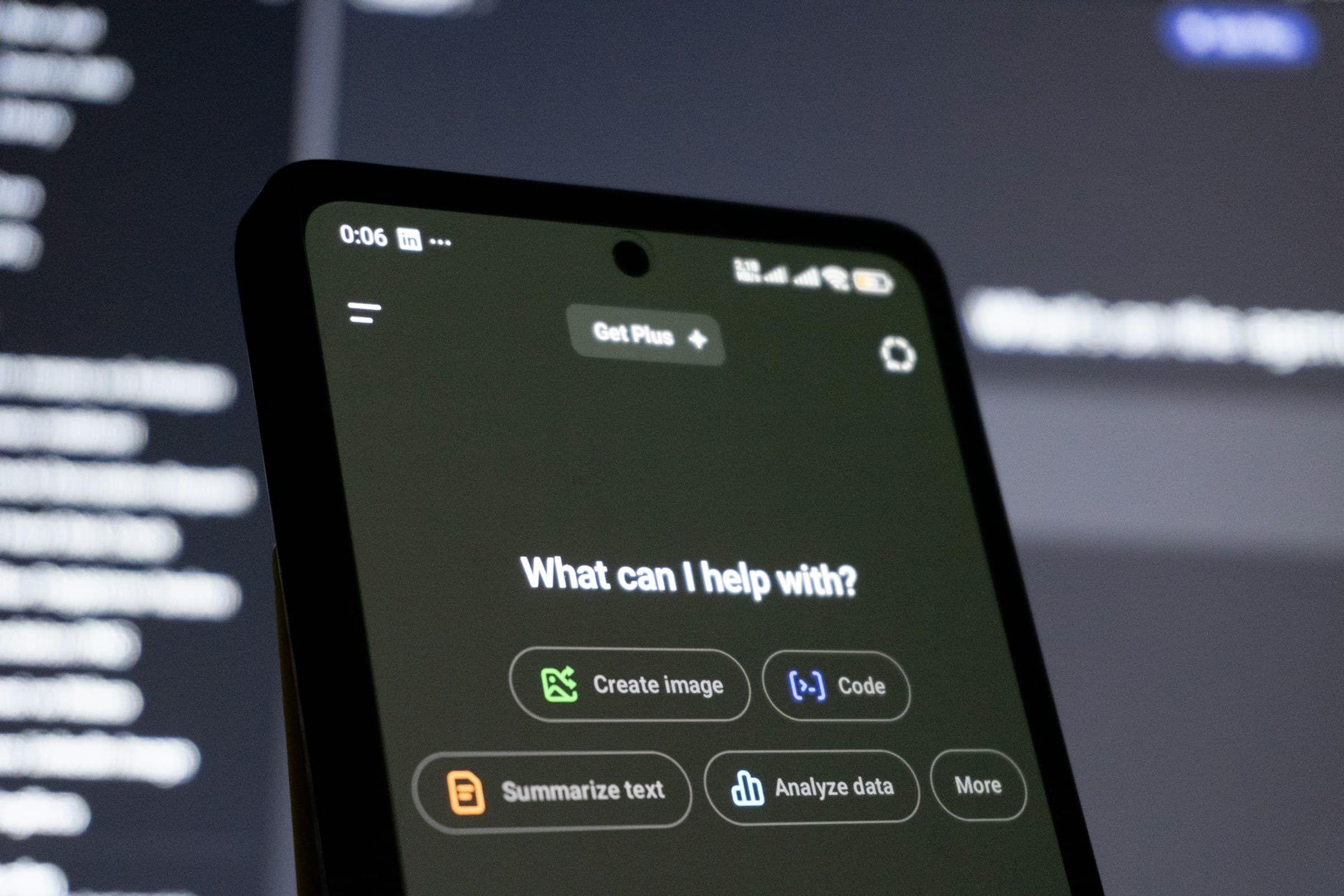
And that's where the money disappears. The person signing off and the vendor are pointing at two different things, and everyone's too polite to say it out loud. The vendor built the one thing it can sell, and the person signing off has only ever used one thing. Neither of them is lying, and the deal still goes sideways.
The model was the easy part
I know the other side because I've been living in it. I've been building an AI system for the last while, and the model part worked almost immediately. Week one, more or less. The model was fine. And then came months of everything that isn't the model: security, orchestration, the seven dimensions I had to get right before the thing could hand me a single verdict, and the other actors who had to slot in. Systems, people, handoffs, a workflow that finishes before the analysis can even start, and all of that was the real work. The model answered questions on day one. But getting it to answer the right question, with the right data, inside the right workflow, somewhere a business would actually trust it, took the rest of the time. Every one of those pieces had to be decided by somebody, and most of the decisions were about the business.
77%
And I didn't believe that until I lived it. The people who study this found the same thing, and the technology was the easiest part by a wide margin.
A vendor sells what it measures
And I watched this years ago, before AI, at a top-three consumer-goods company. The agency kept pushing creators as a rentable audience, and the pitch was reach, impressions, the number a broadcaster would quote. That was the number in their dashboard, so it was the number in their pitch. A creator as a content partner, someone who moves product, that number wasn't in their system, so it wasn't in the pitch. It defeated the whole point of working with creators, because the reach number was real and the business needed something else entirely. The agency was not dishonest. It was selling the only number it had, into a room that did not know enough to ask for a different one.
But it's the same disease, one layer up. The person signing off buys the model because the chatbot is the only AI they've ever touched. Both of them are being perfectly reasonable, and both of them are missing the thing that decides whether the money comes back.
The layer nobody budgets for
"The model is the easy part" used to be contrarian. Now OpenAI says it in a press release, Cohere teams up with PwC to do the same thing, and it's a whole services category. So the next thing everyone reaches for is the deployment engineer: train ten thousand of them, embed them inside client teams, ship the model into production.
$4B
That's real work, and it's still the wrong layer, because it skips the one thing nobody budgets for. And none of that is a knock on the engineers. Embedding inside a client and shipping a model into production is hard work, and somebody has to do it. It just does not answer the question the executive is really asking, which is whether any of it will show up in the numbers.
The person owns the outcome
But somebody has to sit in the room with the executive, look at a business that still runs on spreadsheets and phone calls, and work out what "this AI worked" would look like in money. That work has a shape.

- 1Name what the business needed to be different, in money, before anything gets built.
- 2Put a number on it, so worked has a definition and not a feeling.
- 3Stay on it after launch, because the number moves for months.
That person owns the outcome, while the engineer deploys the system and the executive signs the check. And the engineer is measured on whether it works, while the executive is measured on the quarter. Nobody is measured on whether the thing changed the business, so nobody owns the part that decides whether any of it was worth doing. You can't hire that off a skills list, because it's a judgment, and you can't hire judgment.
The Seven Dimensions of Enterprise AI is my attempt to write down what that person is responsible for: data, domain logic, orchestration, governance, the human judgment that has to stay in the loop. The model is one line on that list, and it was never going to be the hard part. Everything else on the list is a judgment call about a business, made in the room with the people who run it.
That is the thing nobody can buy as a product, because it is a person. And that person has to be able to look at a profit-and-loss statement and a model card in the same afternoon and say whether the second will move the first. Somebody who has shipped a system and sat in the room the week the number came in wrong. That combination is rare, and it is what the whole market is now quietly bidding for. The model was never the hard part. The person is.
This lives wherever you already are, Substack, X, or LinkedIn, drawn from building TikSense.